Leveraging Automated SEO Content Tools for 2026
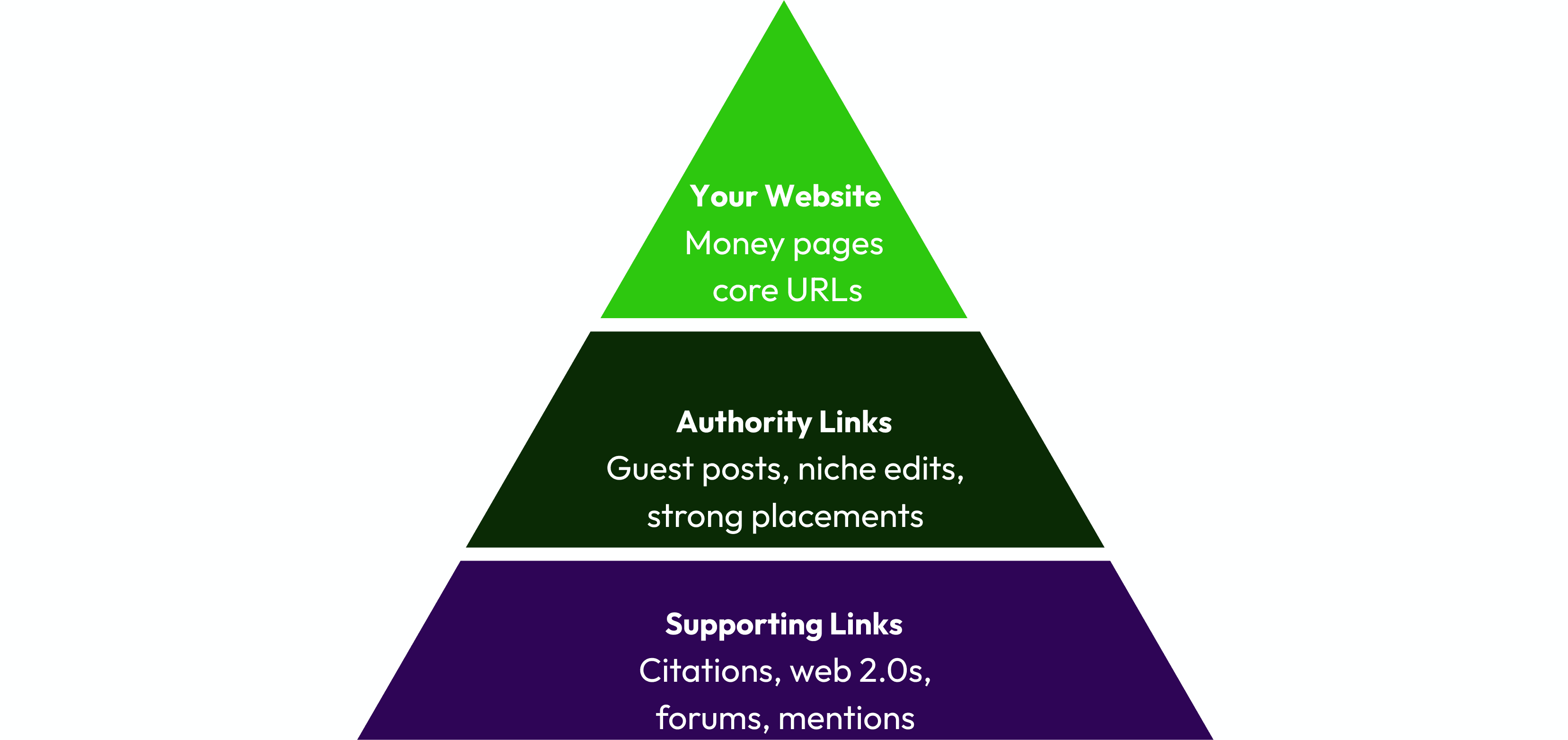
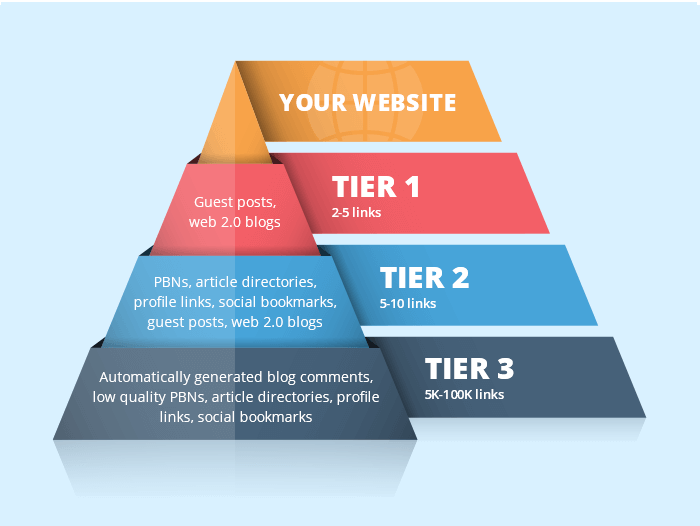
Link structure is one signal among numerous. Link wheel: an older, more aggressive strategy where links form circular patterns (Website A B C A).
A modest project (5 Tier 1 + 10 Tier 2 + 5 Tier 3) costs $3K-$8K. An aggressive campaign (15 Tier 1 + 30 Tier 2 + 20 Tier 3) costs $15K-$30K.
Low-grade links generally simply get decreased the value of, not punished. If you've constructed thousands of spammy Tier 2 or 3 links, disavowal assists. Tiered link building can support authority by obtaining links from trusted, relevant sources.
GSA SER project explainedLow-grade Tier 2 and 3 links do not. Many effective executions focus on protecting first-rate Tier 1 links, then supporting them through genuine Tier 2 promo and selective Tier 3 aid.
Purchase quality. One link from a real authority beats 10 links from weak sources. 2. Strong Tier 1 links get more powerful with Tier 2 assistance. Weak Tier 1 links remain weak no matter what you do to Tier 2. 3. A lot of techniques skip it. The risk-reward isn't worth it unless you have spare resources.
Is Premium Content Crucial to Modern Linking?
Unlike black hat methods (short-term gains, high charge risk), quality tiered link building creates sustainable, long-lasting ranking improvements. 5. SpamBrain finds plans much faster than ever. Collaborated, quick, low-quality link structure sets off penalties. Slow, selective, quality-focused structure works. The very best play in 2026 isn't developing a best pyramid. It's protecting the least highest-quality Tier 1 links possible, magnifying them through genuine Tier 2 techniques, and after that returning to what actually moves rankings: creating valuable content and structure genuine relationships in your industry.
It provides you a defensible method to decide which entities to invest in initially, which to delay, and which to leave alone for the time being. This post covers the framework itself, the choice requirements that position entities into tiers, and the useful ramifications of the prioritisation for content, schema, and external distribution work.
Tier 1 is small usually 5 to ten entities for the majority of brand names. Tier 1 always includes: Your main Organisation entityYour creator(s) and existing CEO as Person entitiesYour head office or main location as an Area entityYour flagship item or service as an Item entity (one to 3 of them, not all)Your most defining proprietary Concept entity if you have actually one a called approach, framework, or technologyThese entities get the most attention.
Every piece of content on your website must strengthen one or more of these entities. The entities that demonstrate depth of proficiency and contribute to citation-worthy content. These enhance Tier 1 however do not stand alone as specifying the brand. Tier 2 normally contains 15-30 entities. Tier 2 usually consists of: Senior team members beyond the CEO and foundersCore product functions (significant ones, not every minor function)Secondary methodologies and frameworksMajor partnership and integration entitiesIndustry principle entities you have real authority onThese entities get proper schema, internal linking to their hubs, and addition in cross-platform profiles where proper.
It offers you a defensible method to choose which entities to purchase initially, which to defer, and which to leave alone for the time being. This post covers the framework itself, the choice criteria that place entities into tiers, and the useful ramifications of the prioritisation for material, schema, and external circulation work.
Optimizing Multi-Tier Link Architectures for Superior Results
The entities vital to your brand name identity. Without strong acknowledgment of these entities, AI systems can not with confidence understand or mention your brand. Tier 1 is small normally 5 to 10 entities for most brand names. Tier 1 constantly consists of: Your primary Organisation entityYour creator(s) and existing CEO as Individual entitiesYour head office or primary location as a Location entityYour flagship item or service as an Item entity (one to three of them, not all)Your most specifying proprietary Principle entity if you have one a called methodology, structure, or technologyThese entities get the most attention.
Every piece of content on your website should enhance one or more of these entities. The entities that demonstrate depth of know-how and add to citation-worthy material. These reinforce Tier 1 but do not stand alone as specifying the brand. Tier 2 generally contains 15-30 entities. Tier 2 generally includes: Senior employee beyond the CEO and foundersCore product features (substantial ones, not every minor feature)Secondary methodologies and frameworksMajor partnership and integration entitiesIndustry idea entities you have real authority onThese entities get correct schema, internal connecting to their hubs, and inclusion in cross-platform profiles where proper.