Optimizing Multi-Tier Link Architectures for Optimal Results
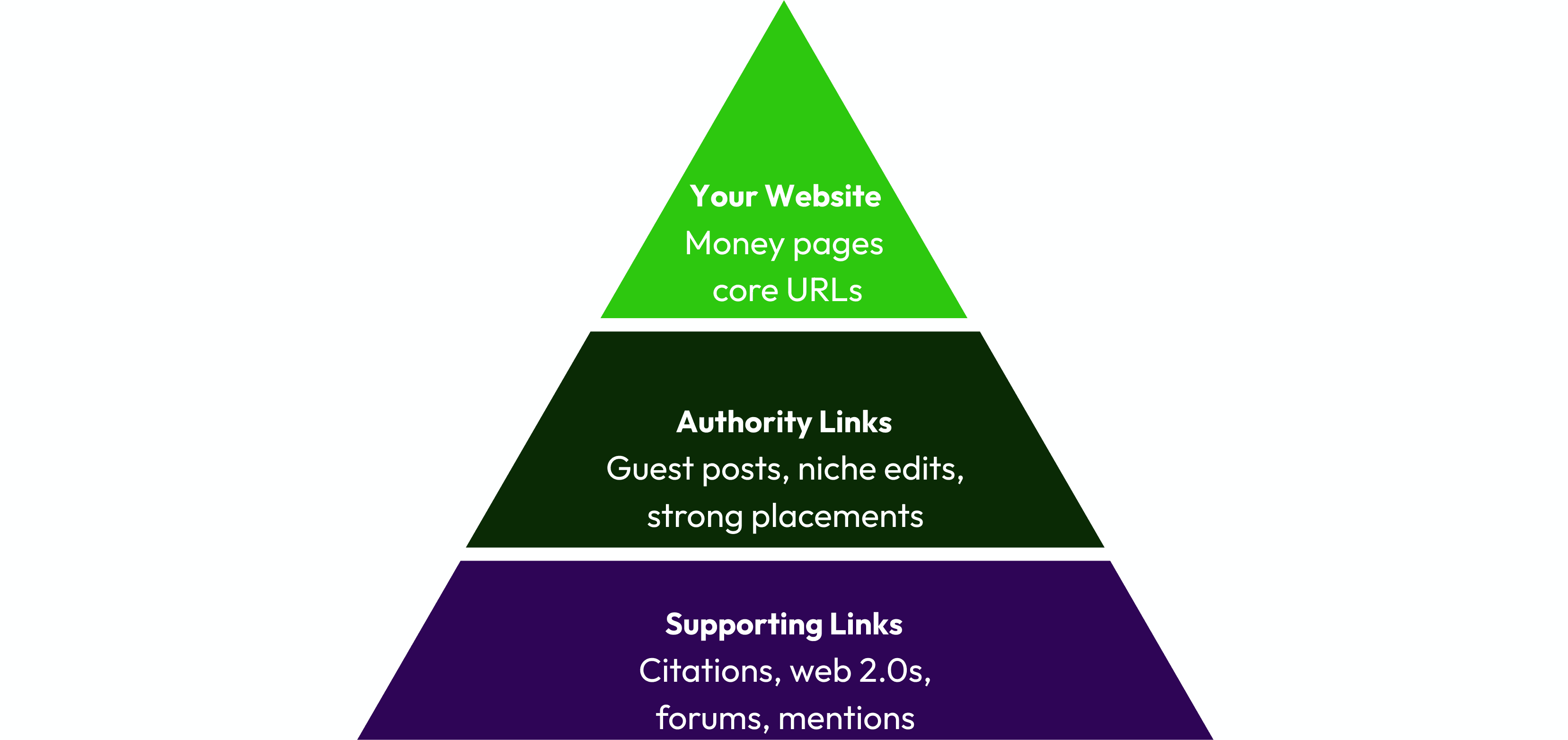
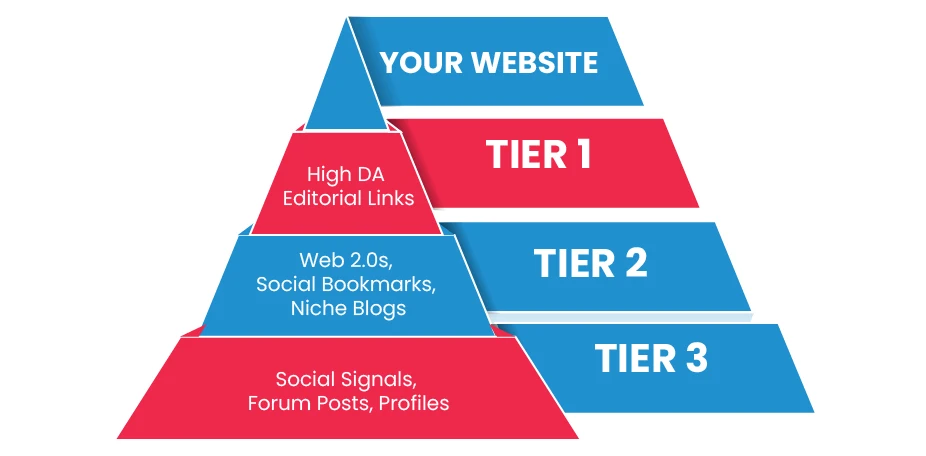
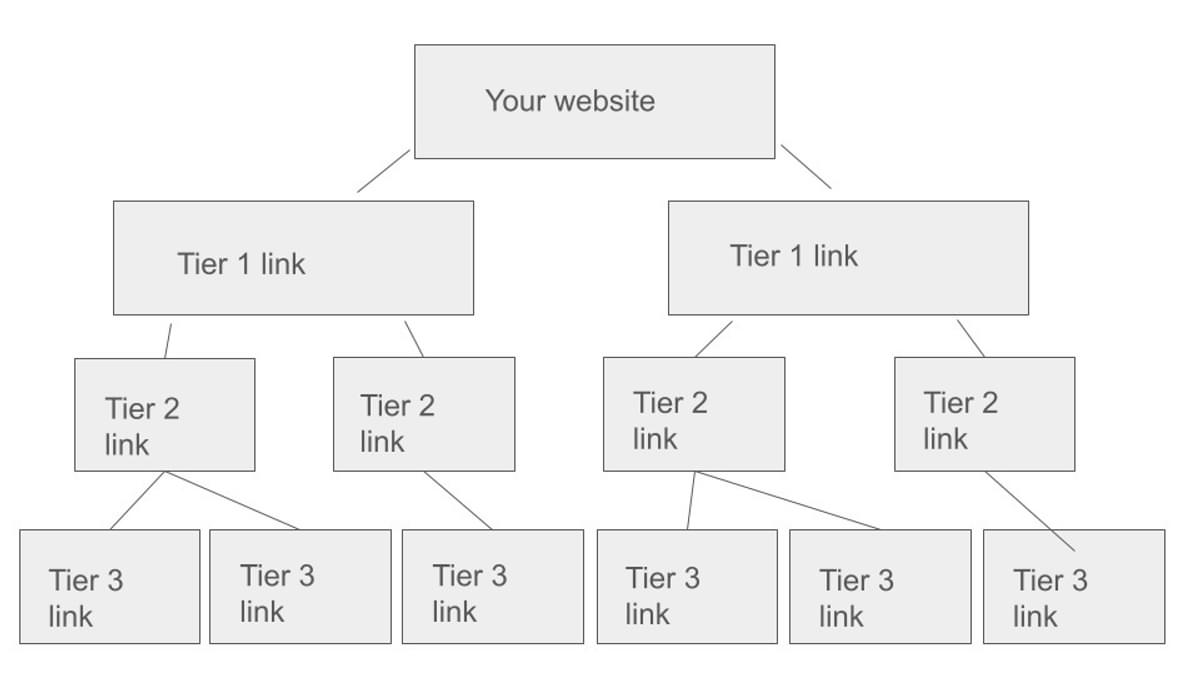
Combine with material marketing, on-page SEO, technical SEO, and UX enhancements. Link structure is one signal amongst lots of. A well-rounded SEO method always wins. Link wheel: an older, more aggressive technique where links form circular patterns (Website A B C A). Tiered: a hierarchical pyramid where each tier supports the one above.
Depends on the scope. A modest campaign (5 Tier 1 + 10 Tier 2 + 5 Tier 3) costs $3K-$8K. An aggressive campaign (15 Tier 1 + 30 Tier 2 + 20 Tier 3) costs $15K-$30K. Tier 1 is pricey. Tier 2 and 3 are more affordable however need to still maintain quality.
Low-grade links normally simply get decreased the value of, not punished. If you have actually developed thousands of spammy Tier 2 or 3 links, disavowal assists. Otherwise, leave them alone. E-E-A-T (Experience, Knowledge, Authority, Dependability) is Google's quality framework. Tiered link building can support authority by obtaining links from trusted, appropriate sources. However it doesn't demonstrate experience or reliability if executed through adjustment.
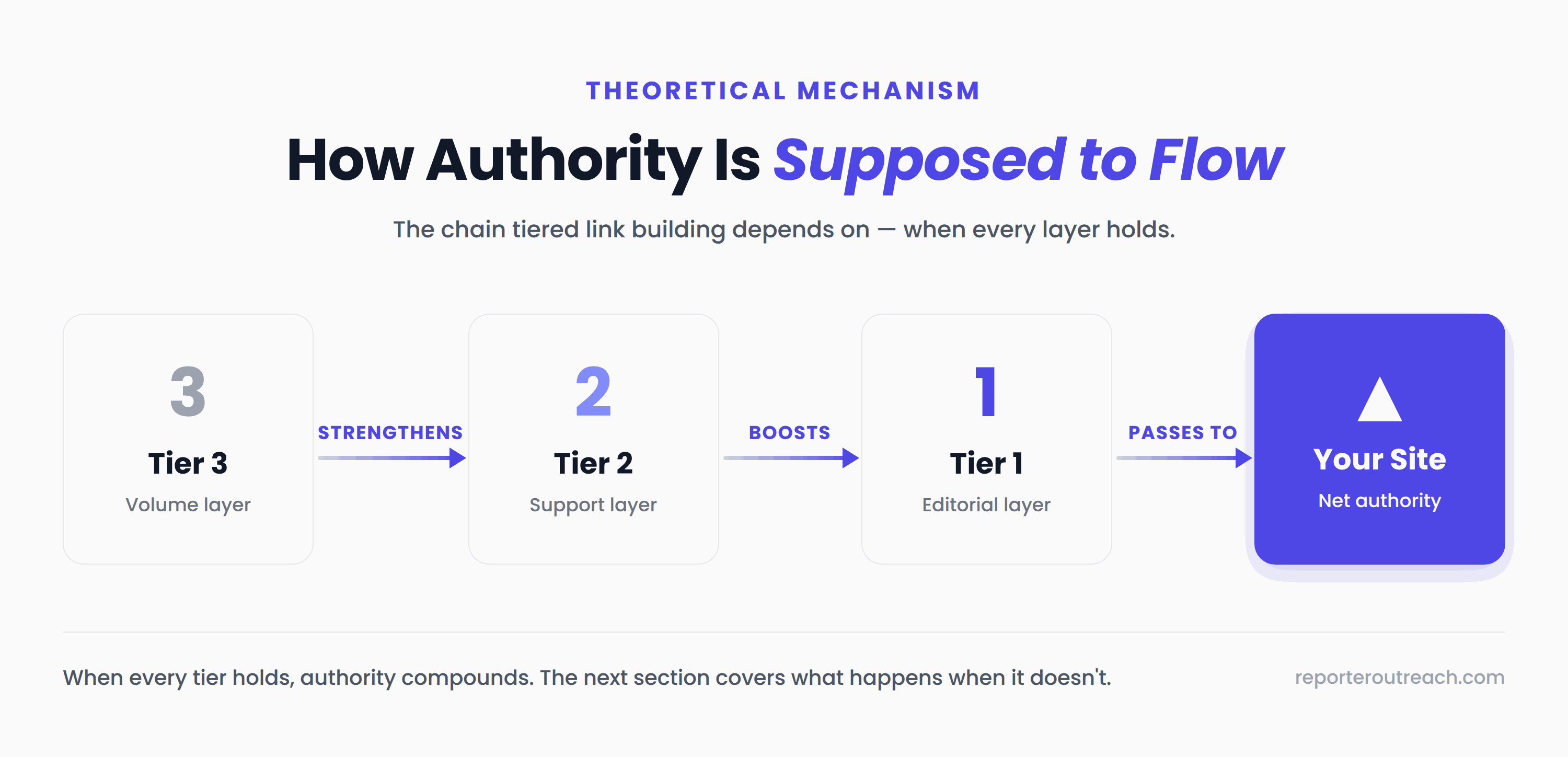
done for you GSA SERLow-grade Tier 2 and 3 links do not. Most effective applications focus on protecting world-class Tier 1 links, then supporting them through real Tier 2 promo and selective Tier 3 help.
One link from a real authority beats 10 links from weak sources. Strong Tier 1 links get stronger with Tier 2 support. Weak Tier 1 links stay weak no matter what you do to Tier 2.
Best Practices for Effective Multi-Tiered Link Mapping
Unlike black hat techniques (short-term gains, high charge danger), quality tiered link building develops sustainable, long-term ranking improvements. Collaborated, rapid, low-grade link building triggers penalties. It's protecting the fewest highest-quality Tier 1 links possible, magnifying them through genuine Tier 2 techniques, and then getting back to what really moves rankings: developing important content and building authentic relationships in your market.
It offers you a defensible method to choose which entities to invest in initially, which to defer, and which to leave alone for the time being. This post covers the structure itself, the decision requirements that place entities into tiers, and the useful implications of the prioritisation for content, schema, and external circulation work.
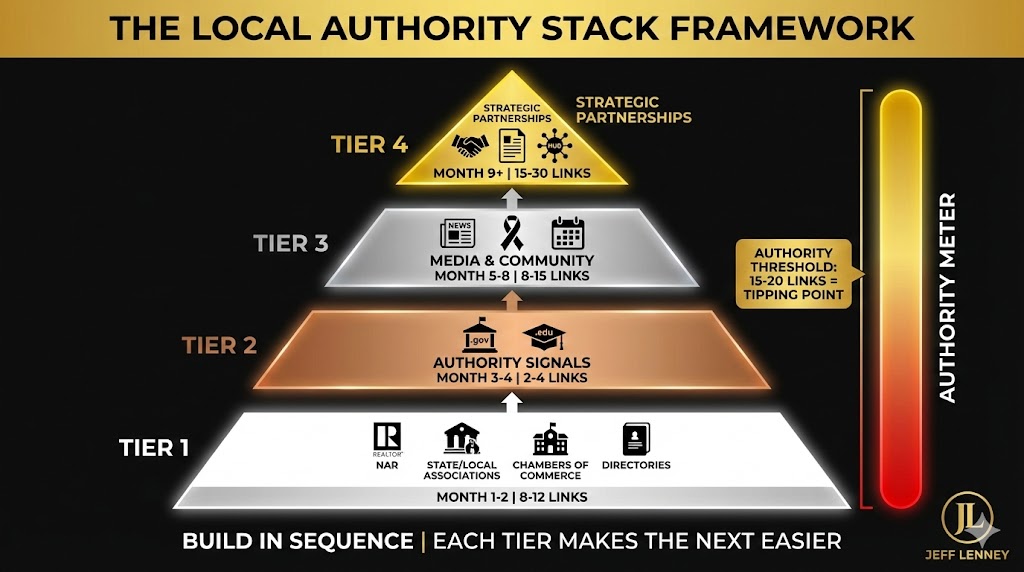
Tier 1 is little usually five to 10 entities for many brands. Tier 1 always includes: Your main Organisation entityYour founder(s) and current CEO as Person entitiesYour headquarters or main place as a Location entityYour flagship product or service as an Item entity (one to 3 of them, not all)Your most specifying proprietary Principle entity if you have actually one a named approach, structure, or technologyThese entities get the most attention.
done for you GSA SEREvery piece of content on your site need to strengthen one or more of these entities. The entities that show depth of know-how and add to citation-worthy material. These enhance Tier 1 but do not stand alone as specifying the brand name. Tier 2 typically includes 15-30 entities. Tier 2 normally consists of: Senior staff member beyond the CEO and foundersCore item features (considerable ones, not every small feature)Secondary approaches and frameworksMajor collaboration and integration entitiesIndustry idea entities you have genuine authority onThese entities get appropriate schema, internal connecting to their centers, and inclusion in cross-platform profiles where proper.
It offers you a defensible method to decide which entities to invest in initially, which to defer, and which to leave alone for the time being. This post covers the framework itself, the decision criteria that position entities into tiers, and the useful implications of the prioritisation for material, schema, and external distribution work.
Securing Tiered Link Building Workflows for 2026
Tier 1 is little generally 5 to 10 entities for the majority of brands. Tier 1 always includes: Your primary Organisation entityYour founder(s) and present CEO as Individual entitiesYour head office or primary place as a Place entityYour flagship item or service as a Product entity (one to three of them, not all)Your most specifying proprietary Idea entity if you have one a called methodology, framework, or technologyThese entities get the most attention.
Tier 2 normally includes 15-30 entities. Tier 2 typically consists of: Senior group members beyond the CEO and foundersCore product features (substantial ones, not every minor function)Secondary approaches and frameworksMajor collaboration and combination entitiesIndustry idea entities you have real authority onThese entities get appropriate schema, internal linking to their hubs, and addition in cross-platform profiles where suitable.