How Modern SEO Data Files Improve Tiered Efficiency

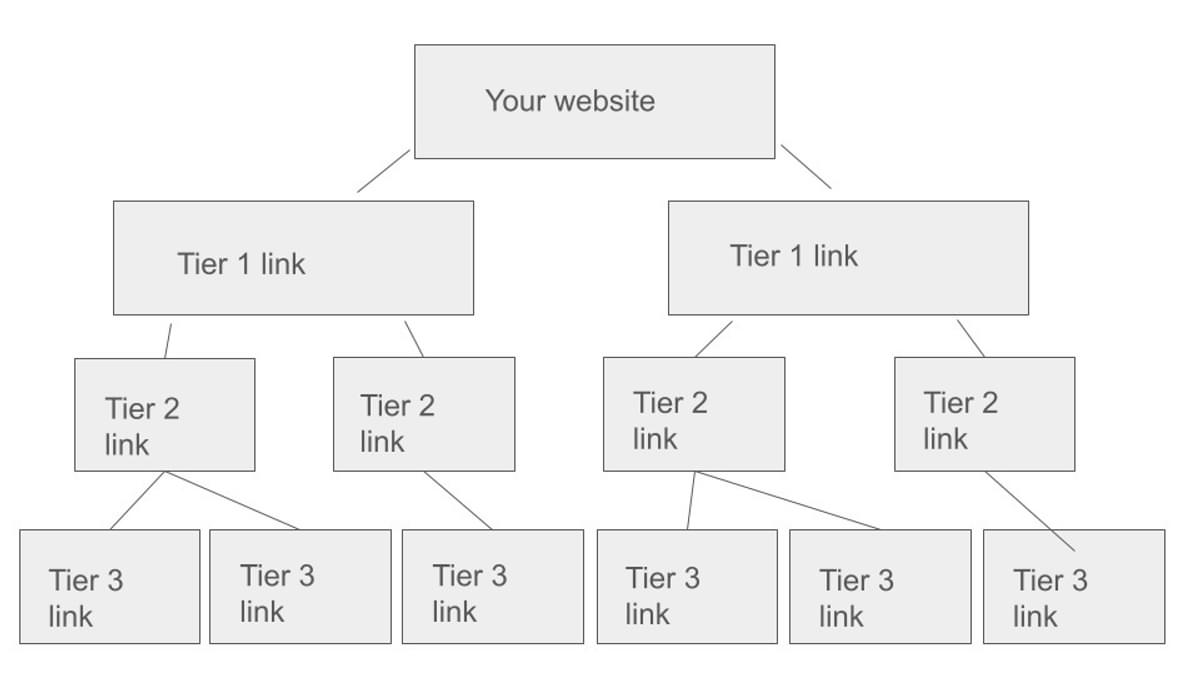
For each Tier 1 link, discover 2-4 natural Tier 2 opportunities: Compose post that discuss and link to the Tier 1 content Share the Tier 1 link by yourself Medium, LinkedIn, or owned residential or commercial properties Email 2-3 relevant blog sites asking if they 'd point out the Tier 1 page Add the Tier 1 link to your own resource pages where it fits Secret principle: Tier 2 links ought to come from real, pertinent sources.
Utilize a spreadsheet or Ahrefs to track: Tier 1 positionings and dates Tier 2 links gotten (if any) Ranking movements in target keywords Describing domain growth Enjoy for indication: Sudden ranking drops (possible charge) No change after 8 weeks (tiers not working) "Abnormal links" notice from Google (manual action) Resist automating or bulk-building Tier 3.
Handbook, selective Tier 3 (5-10 links per project) from real sources are acceptable. Every 30 days, ask yourself: Which Tier 1 links moved the rankings? Did Tier 2 links supply measurable advantage?
Strategic Refinement of Tiered Link Data
Construct 5 high-quality, relevant Tier 1 links backed by 2-3 genuine Tier 2 links each. Not 50 weak links throughout 3 tiers.
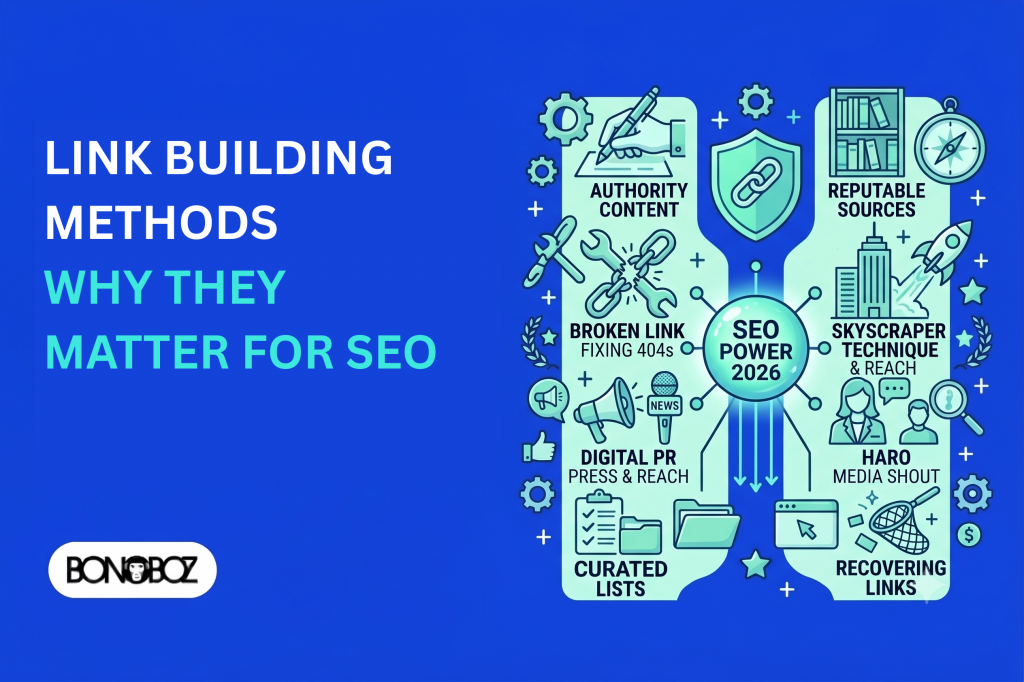
Don't duplicate exact-match anchors across tiers. Google flags patterns. Build slowly. Instead of getting 20 links in two weeks, spread out 5 weekly over a month. Appears natural. Lowers spam detection threat. Don't rely entirely on tiered link structure. Integrate with natural techniques: Material marketing that naturally draws in links Social media promotion Brand name mentions and citations HARO outreach Influencer partnerships Data from 2025 shows 40.7% of marketers point out material marketing as the top method for passive link acquisition.
Inspect your backlink profile monthly. Search for: Spammy or irrelevant links Links from "write for us" farms Collaborated connecting patterns PBN or farm indicators If something looks incorrect, disavow it. Don't develop Tier 3 links using automatic tools Do not link from PBNs or obvious link farms Do not buy Tier 2 links wholesale from markets Do not use personal blog site networks Do not produce coordinated link-building networks Do not develop links to low-grade or AI-generated Tier 1 content If you're executing this, these aid.
You still need thoughtful planning. It depends. Utilize it if: You have a solid budget plan for quality Tier 1 links ($5K+ each month) You want to amplify existing high-quality positionings You're client (8-12 weeks for outcomes) You can keep quality across all tiers Your specific niche is moderately competitive Skip it if: You're utilizing low-cost, low-grade Tier 2 and 3 sources You desire results in 4 weeks You're using automated tools Your objective is a couple of keywords You're in high-penalty niches (finance, health, legal) For most services, the smarter play: develop 10-15 really outstanding Tier 1 links through editorial approaches.
Future-Proofing Tiered Link Building Services for 2026
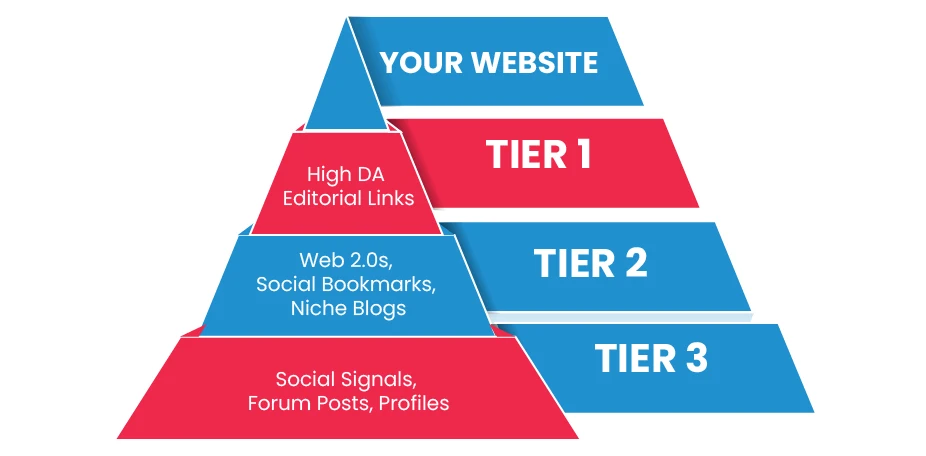
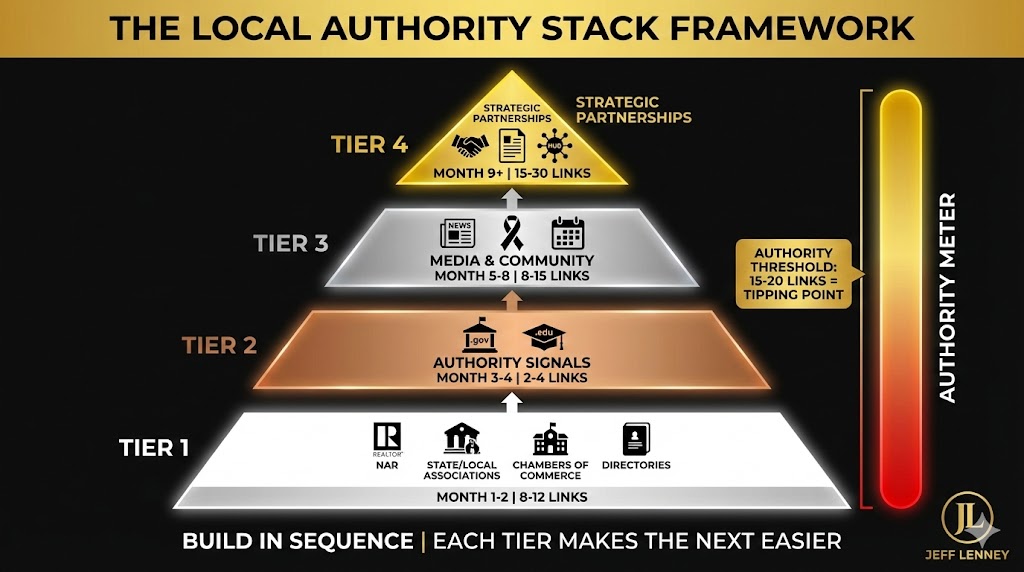
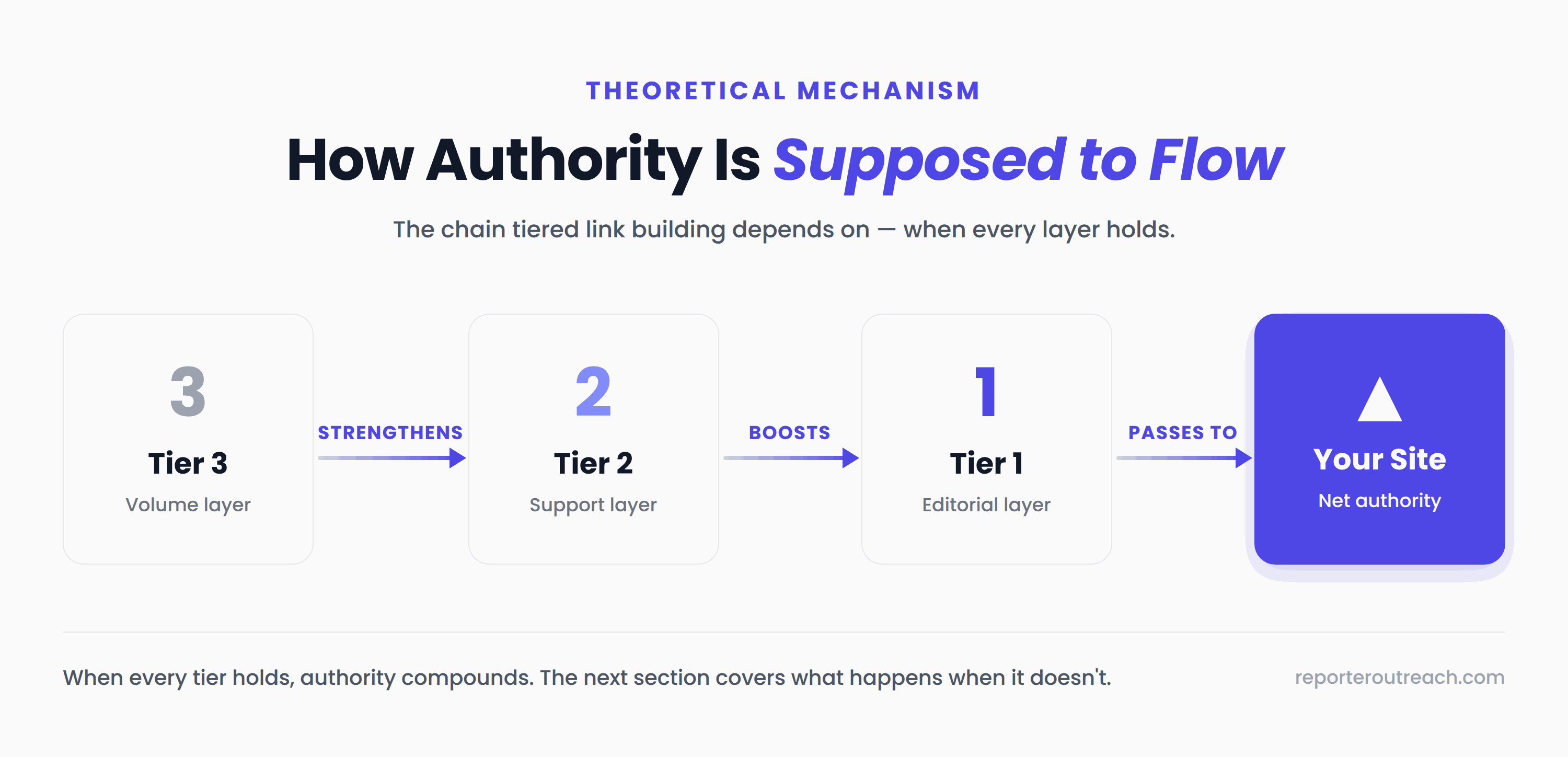
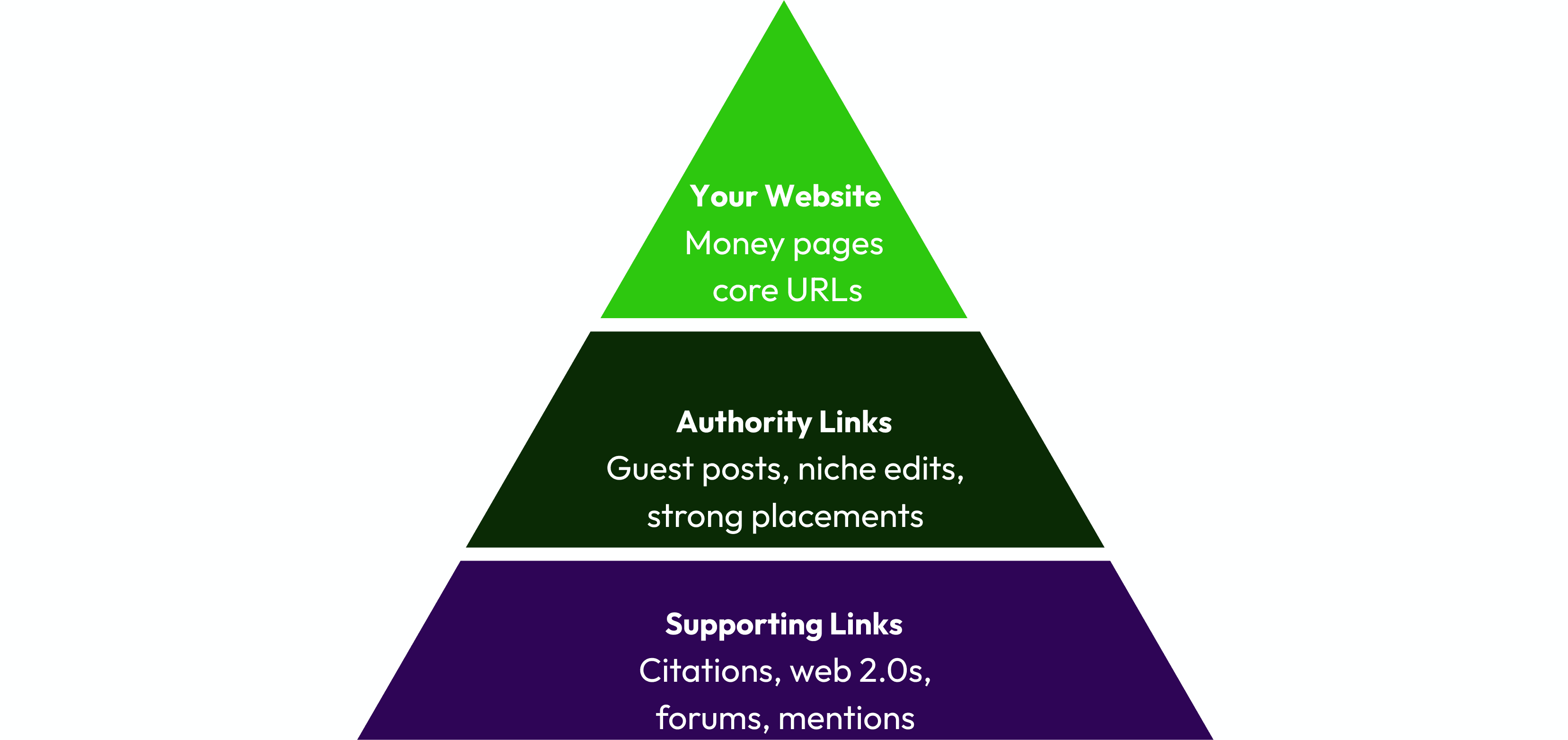
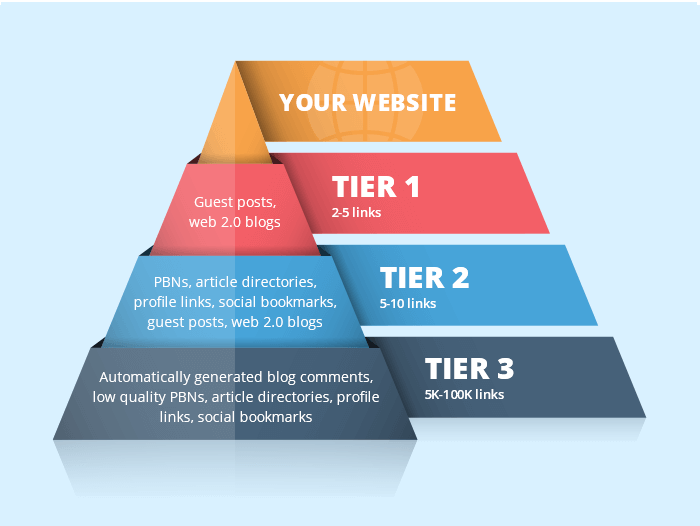
Avoid Tier 2 and 3 unless they take place organically. Building several layers of backlinks where each layer supports the ones above it. Tier 1 links point to your website. Tier 2 links point to Tier 1. Tier 3 links indicate Tier 2. The goal: pass link equity up the chain and enhance your website's authority.
GSA SER projectsFunctions when Tier 1 links are really high-quality, and Tier 2 and 3 links come from relevant, legitimate sources. Falls flat when performed as an adjustment scheme with low-grade or collaborated links.
They pass indirect value. Tier 2 links can improve Tier 1 page authority, which then reinforces their effect on your website. Tier 3 links support Tier 2 but are further eliminated. The result is genuine but modest, specifically with weak sources. High-authority (DR 60+), pertinent to your niche, with genuine readership.
Best Practices for Advanced Multi-Tiered Link Strategy
Really. Massive, low-grade Tier 3 link structure is a quick course to spam flags. Automated tools are quickly cheapened. Use Tier 3 sparingly5-10 quality links per campaign, not hundreds. Tier 1 links usually show ranking effect within 2-4 weeks. Tiered structures take longertypically 6-12 weeksbecause link equity streams through several layers.
Construct hundreds of low-quality links, utilize automated tools, or produce obvious schemes, and Google's SpamBrain flags it. Charges vary from link devaluation to site-wide ranking drops. Traditional link structure focuses on obtaining quality links straight to your website.
Integrate with content marketing, on-page SEO, technical SEO, and UX improvements. Link building is one signal among lots of. A well-rounded SEO technique always wins. Connect wheel: an older, more aggressive strategy where links form circular patterns (Website A B C A). Tiered: a hierarchical pyramid where each tier supports the one above.
Evaluating Manual and Scalable 3 Tier SEO Architectures
A modest campaign (5 Tier 1 + 10 Tier 2 + 5 Tier 3) costs $3K-$8K. An aggressive campaign (15 Tier 1 + 30 Tier 2 + 20 Tier 3) costs $15K-$30K.
Low-quality links typically simply get devalued, not penalized. If you have actually developed thousands of spammy Tier 2 or 3 links, disavowal assists. Otherwise, leave them alone. E-E-A-T (Experience, Competence, Authority, Dependability) is Google's quality framework. Tiered link structure can support authority by getting links from trusted, pertinent sources. It doesn't show experience or reliability if performed through control.
Low-grade Tier 2 and 3 links don't. Most effective implementations focus on protecting world-class Tier 1 links, then supporting them through genuine Tier 2 promo and selective Tier 3 help.
Purchase quality. One link from a genuine authority beats ten links from weak sources. 2. Strong Tier 1 links get more powerful with Tier 2 assistance. Weak Tier 1 links remain weak no matter what you do to Tier 2. 3. Many techniques skip it. The risk-reward isn't worth it unless you have extra resources.
Leveraging Automated SEO Content Tools in 2026
Unlike black hat techniques (short-lived gains, high penalty danger), quality tiered link building develops sustainable, long-term ranking improvements. Collaborated, fast, low-quality link structure triggers charges. It's protecting the least highest-quality Tier 1 links possible, amplifying them through genuine Tier 2 approaches, and then getting back to what actually moves rankings: creating valuable material and building real relationships in your industry.